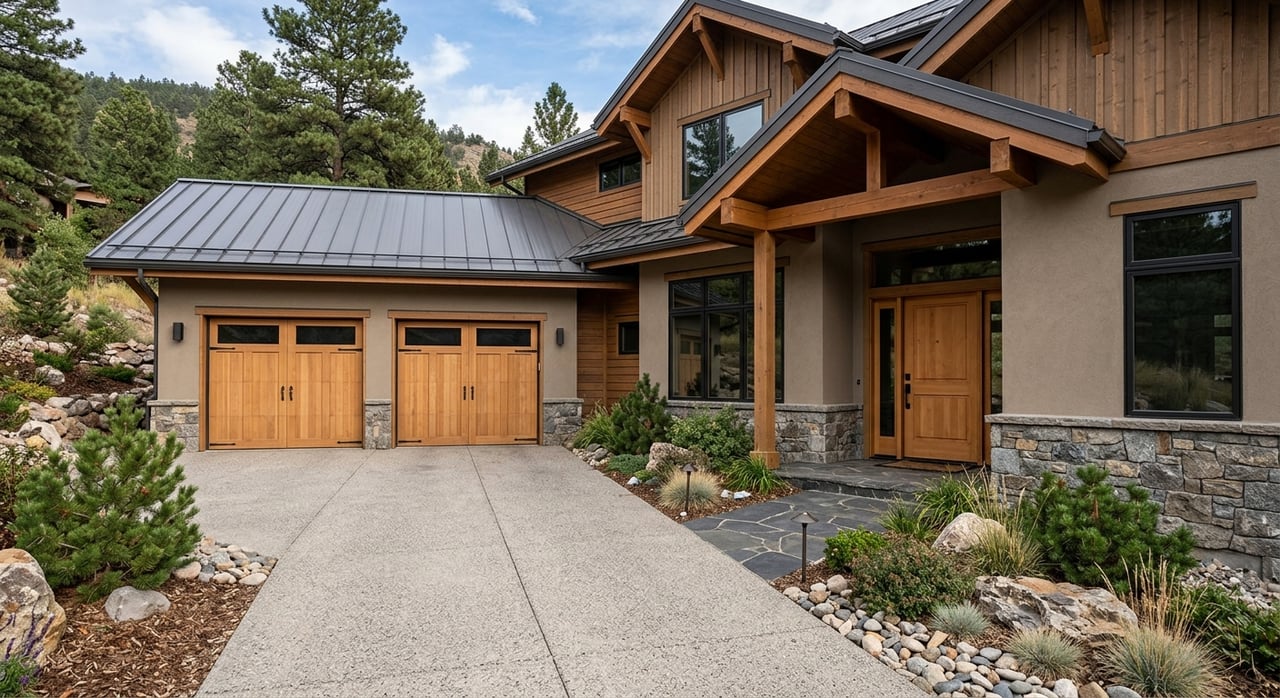
Explore Dayton NV Neighborhoods and Newer Homes
June 18, 2026
June 18, 2026
If you want more home options without straying far from Carson City or the Reno corridor, Dayton deserves a closer look. For many Northern Nevada buyers, the challenge is finding the right balance of space, commute, neighborhood feel, and newer construction. This guide will help you understand how Dayton is laid out, where newer homes are clustering, and what kind of lifestyle fit each area may offer. Let’s dive in.
Dayton sits along the US 50 corridor in Lyon County, about 10 miles east of Carson City according to the Bureau of Land Management. Lyon County describes the area as being minutes from Reno and Carson City, and the county master plan identifies Dayton as both a residential and economic growth center. That combination helps explain why more buyers are paying attention.
Population growth also tells an important story. Census data show Dayton grew from 8,964 residents in 2010 to 15,153 in 2020. The same data set reports a 79.9% owner-occupied housing rate, a median owner-occupied home value of $433,200, and a mean travel time to work of 30.8 minutes.
If you are looking for a community that offers room to spread out while staying connected to larger employment centers, Dayton can be a practical option. The local housing mix is broad, which gives buyers more than one path depending on budget, lot size, and home style priorities.
Lyon County’s master plan breaks Dayton into four broad areas: Old Town, the south side of the Carson River, the Sutro commercial and residential area, and the Mark Twain area. Understanding these areas can make your search feel much more focused.
Old Town is the historic core of the community. The county describes it as a small-scale, pedestrian-friendly mixed-use center with narrow streets, limited setbacks, and many historically important structures.
If you like an established setting with historic character, this part of Dayton may stand out. It is less about large new subdivisions and more about the original fabric of the town.
The county expects continued residential development on the south side of the river as master-planned communities continue to build out. For buyers who want newer homes, this is one of the key parts of Dayton to watch.
This area can appeal to buyers who want a more recently developed neighborhood pattern. You may find communities with more consistent home styles, newer streetscapes, and planned amenities nearby.
The Sutro area serves as Dayton’s community retail hub and a residential transition zone. It helps connect commercial services with surrounding neighborhoods, which can be useful if convenience is high on your list.
This area is also tied to some of the more subdivision-style development in Dayton. That makes it relevant for buyers seeking a more traditional suburban layout.
The Mark Twain area is described in the county plan as sprawling residential development. In practical terms, that means a broader residential footprint and a different feel from the compact historic core.
For buyers, this can mean more variety in how homes are spaced and how neighborhoods are arranged. It is one more reason Dayton does not feel like a one-note market.
If your priority is newer construction, several parts of Dayton deserve special attention. These communities offer different lot sizes, floor plan ranges, and overall neighborhood patterns.
Traditions is the clearest active new-home community in Dayton. Lennar describes it as a master-planned community of brand-new single-family homes, with current floor plans ranging from about 1,744 to 2,547 square feet.
County parcel records also show Traditions Village 1 in multiple recorded phases, which supports the picture of an actively building community. If you want a newer home with a straightforward subdivision setting, Traditions is one of the most obvious places to start.
River Park Dunes is another newer option, with a somewhat more compact floor plan range. The builder markets three-bedroom homes at about 1,580, 1,873, and 2,101 square feet, with two- or three-car garages.
County parcel records show lots around 0.29 to 0.55 acre in several Riverpark units. That gives this neighborhood a larger-lot suburban feel compared with tighter in-town development.
Santa Maria Ranch offers a different kind of newer-home opportunity. The developer describes it as a 954-acre master-planned community on the Carson River with custom and semi-custom homes, lot sizes from about one-quarter acre up to 11.54 acres, and homes from roughly 1,800 to more than 5,000 square feet.
County parcel records also show current single-family homes in Santa Maria Ranch Phase 1 on about half-acre lots. If you want more land, more separation between homes, or a custom-home feel, this is one of the strongest Dayton options.
Dayton Valley Country Club is part of the classic golf-community side of the market. The county master plan characterizes Dayton as a master-planned golf community, and county parcel records show single-family homes in this area on smaller suburban lots of roughly 0.11 to 0.20 acres.
For some buyers, that setup offers a more contained neighborhood footprint. If you prefer a suburban lot size rather than acreage, this area may fit your goals.
Sutro West and the Dayton Village Parkway corridor are among the more subdivision-like parts of newer Dayton. County parcel records show multiple Sutro West phases with single-family residences on lots of about 0.16 to 0.17 acre.
That pattern suggests a more traditional suburban layout. For buyers comparing newer neighborhoods, this area can be helpful to include in the search.
Not every buyer wants the same version of Dayton. Some want a newer tract home, while others want a larger parcel or a more established setting.
| Area or Community | General feel | Lot size pattern |
|---|---|---|
| Old Town | Historic core, established streets | Varies |
| Traditions | Active new-home community | Subdivision-style |
| River Park Dunes | Newer homes with more lot space | About 0.29 to 0.55 acre |
| Santa Maria Ranch | Custom or semi-custom, more land | About 0.25 to 11.54 acres |
| Dayton Valley Country Club | Golf-community setting | About 0.11 to 0.20 acre |
| Sutro West | Traditional suburban subdivision | About 0.16 to 0.17 acre |
A side-by-side comparison like this can help you narrow your search faster. Once you know whether you value lot size, newer construction, or an established setting most, the right areas become easier to prioritize.
Dayton offers a solid set of day-to-day amenities for a smaller community. Lyon County operates several parks and recreation spaces, including Our Park, Little League Fields, Como Park with a skate park, Mark Twain Park, Patriot Park in River Park, Rolling A Open Space with trails and disc golf, and Santa Maria Ranch Park and Aquatic Park along the Carson River.
For many buyers, these features matter just as much as square footage. Access to open space, neighborhood parks, and recreation areas can shape how a community feels once you are living there.
Dayton also has a local library branch at 321 Old Dayton Valley Road. In addition, Lyon County says its utilities department provides water and sewer service for the Dayton and Mound House areas, which is a practical consideration when comparing neighborhoods and property types.
Dayton includes a local school footprint with several campuses in the area. Dayton Elementary serves grades K through 6, Dayton Intermediate serves grades 7 through 8, Dayton High serves grades 9 through 12, and Riverview Elementary is located on Ferretto Parkway.
When you are evaluating neighborhoods, it helps to know where key daily services are located. Even if schools are not part of your home search, nearby roads, traffic flow, and routine convenience still matter.
One of Dayton’s biggest advantages is its connection to the broader Northern Nevada region. The area functions as a bedroom community to Carson City and Reno, according to Lyon County’s master plan, and census data show an average commute time of 30.8 minutes.
Lyon County also operates transportation services that include scheduled Dayton and Mound House trips to Reno on Mondays and to Carson City on Tuesdays, Wednesdays, and Thursdays. That may not replace driving for every buyer, but it does add another layer of regional connectivity.
If you work in Carson City or need regular access to the Reno corridor, Dayton can offer a useful middle ground. You may be able to gain lot size or newer construction options while still staying tied to major employment centers.
Dayton can make sense for several types of Northern Nevada buyers. The key is matching the right part of the market to your priorities.
You may want to look more closely at Dayton if you are searching for:
Because Dayton offers several distinct neighborhood patterns, your best move is to compare by lifestyle and property type, not just by price point. That kind of approach can save time and help you focus on homes that truly fit how you want to live.
A strong Dayton home search starts with clear priorities. Before touring homes, decide what matters most to you: commute, lot size, age of home, subdivision style, or room for customization.
From there, you can narrow the map more strategically. If you want active new construction, Traditions may rise to the top. If you want more land, Santa Maria Ranch may be a better fit. If you want a golf-community setting or a classic suburban pattern, Dayton Valley Country Club or Sutro West may deserve a closer look.
This is where tailored guidance matters. Dayton is not a one-size-fits-all market, and the right choice often comes down to how a specific neighborhood supports your financial goals, daily routine, and long-term plans.
If you are considering Dayton or comparing it with other Northern Nevada communities, a focused strategy can help you evaluate options with more clarity and less guesswork. For personalized guidance on Dayton neighborhoods, newer homes, and your next move in Northern Nevada, connect with Samira Khaled.
Stay up to date on the latest real estate trends.
Your goals deserve focused attention and thoughtful execution. With a boutique-level standard of service, every decision is guided by preparation, market insight, and a commitment to excellence—ensuring a seamless experience from strategy to closing.

15425 Wedge Pkwy Suite 105, Reno, NV 89451