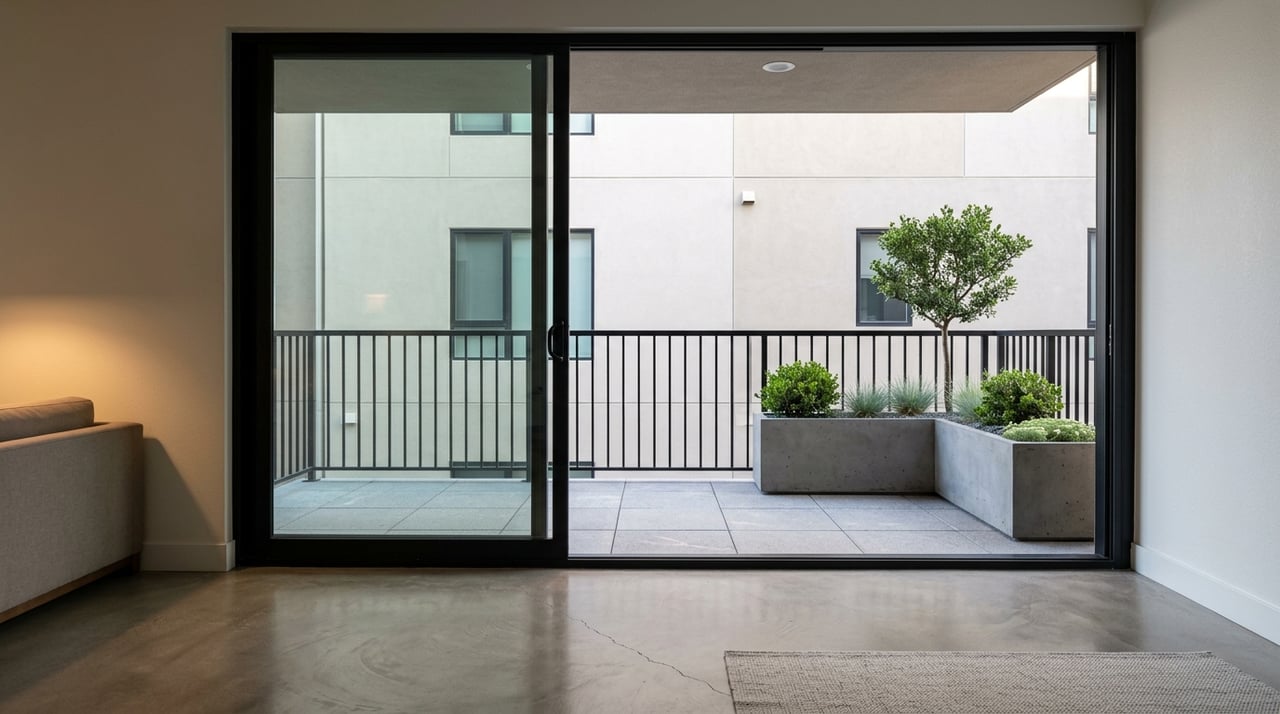
A Reno Neighborhoods Guide for Every Lifestyle
July 16, 2026
July 16, 2026
If you are trying to make sense of Reno neighborhoods, you are not alone. A quick map search can make the city look like a patchwork of names, but the real difference usually comes down to how you want to live day to day. Whether you picture a condo near activity, a home in a master-planned area, or an estate-style property with more privacy, understanding Reno by lifestyle can make your search much clearer. Let’s dive in.
Reno is the largest city in Northern Nevada and sits in the Truckee Meadows on the eastern slope of the Sierra Nevada. The city’s planning framework describes neighborhoods by location, character, housing mix, and their ability to accommodate growth.
That matters because Reno is not built around one single residential pattern. The city supports a mix of neighborhood centers, mixed-use districts, and varied housing types, which is why a lifestyle-based approach is often more useful than memorizing every neighborhood name.
A practical way to understand Reno neighborhoods is to group them into four broad categories:
If you start with these categories, you can narrow your options based on how much space, convenience, structure, and open land you want around you.
For buyers who want a more compact and active setting, Reno’s urban core is the clearest starting point. This part of the city is shaped more by mixed-use living, access to restaurants and events, and shorter trips to daily destinations than by large lots or quieter streets.
Downtown Reno is the city’s main urban core. The City of Reno describes it as the center of tourism, entertainment, and leisure, while also functioning as a neighborhood for many residents.
The area includes a mix of well-maintained properties, newer government and resort properties, and vacant or underused parcels. City redevelopment materials also note a need for more attractive multi-family and mixed-use properties, which helps explain why downtown is often part of the conversation for buyers considering condos, lofts, or other urban housing styles.
Riverwalk is commonly viewed alongside downtown as part of Reno’s more urban environment. In this type of setting, the appeal often comes from being close to mixed-use activity rather than having a larger yard or a more separated residential layout.
If your priority is convenience and a connected city feel, these blocks may be worth exploring closely. If you are more sensitive to parking, noise, or heavier pedestrian activity, it is smart to compare one block to the next.
Midtown has a different feel from downtown, even though newcomers sometimes group them together. The district includes substantial development along the Virginia Street corridor, with restaurants and retail in both newly built spaces and refurbished brick buildings.
The surrounding residential context includes bungalow-style homes and small multi-family complexes. That mix makes Midtown one of Reno’s most urban and activity-oriented residential environments, but with a character that can feel more neighborhood-based than the downtown core.
If you want more breathing room, more defined residential areas, or a community with built-in amenities, established suburban and master-planned neighborhoods may be a better fit. These parts of Reno often appeal to buyers who want a more organized layout and a little more separation from the city center.
South Reno includes areas such as Double Diamond, Damonte Ranch, and the Meadowood Mall area. Damonte Ranch is one of the clearest examples of a master-planned community in this part of Reno.
Its community profile highlights trails, hikes, golf, parks, fitness, restaurants, shopping, and other local amenities. For many buyers, this creates a suburban option that feels more spacious and structured than the urban core while still offering access to everyday conveniences.
Somersett is one of the major master-planned communities in northwest Reno. The community spans 2,391 acres and includes two golf courses, two clubhouses, more than 27 miles of hiking and biking trails, natural creeks, wildlife corridors, and open space.
This is a strong example of a foothill-suburban lifestyle. If you want neighborhood amenities plus a stronger connection to open land and trail systems, Somersett often stands out in the Reno conversation.
Caughlin Ranch is a useful reference point for west and southwest Reno. The community covers about 2,300 acres and stretches from foothill areas toward the Truckee River.
Its location is part of what makes it notable. You get an established suburban setting with access to downtown Reno, shopping, restaurants, and mountain recreation, which can be appealing if you want a balance of convenience and a more tucked-away feel.
Some Reno buyers are not just deciding between urban and suburban. They are looking for a setting with more privacy, elevated views, hillside topography, golf access, or a stronger amenity structure.
In Reno, that style is most visible in foothill and gated communities, as well as in neighborhoods where residential identity overlaps with golf and open space.
ArrowCreek is one of the clearest examples of a golf and estate-oriented community in Reno. It is a master-planned gated community in south Reno with 525 acres of open space, more than 30 miles of trails, 36 holes of private golf, resident recreation facilities, and 24/7 gated security.
For buyers who want privacy, views, and a more resort-like setting while staying connected to city access, this category can be especially appealing. ArrowCreek’s location is also part of its draw, with the community noting proximity to Reno-Tahoe International Airport and Lake Tahoe.
Lakeridge is another useful example, even if your focus is not golf membership itself. The course describes itself as a semi-private golf course with views of the city and surrounding mountains.
This shows an important Reno nuance. Some neighborhoods are directly centered on golf and private amenities, while others are shaped by nearby golf access as one part of a broader lifestyle.
In Reno, the idea of an estate-style property is usually tied more to setting than to one formal category. Larger sites, hillside placement, privacy, and open-space surroundings are often the traits buyers are responding to.
Those qualities are especially visible in communities such as ArrowCreek, Somersett, and parts of Caughlin Ranch. If that is your goal, it helps to focus less on labels and more on the actual site, access, and neighborhood structure.
Not every buyer wants a neighborhood that feels tightly organized or close to the city core. Some people are looking for more elbow room, fewer nearby structures, or a stronger high-desert or semi-rural feel while still staying within Reno’s orbit.
The North Valleys are one of the strongest examples of Reno’s edge condition. Washoe County identifies communities in this broader area such as Sun Valley, Golden Valley, Lemmon Valley, Cold Springs, Antelope Valley, and Red Rock Valley.
County materials also describe Cold Springs as transitioning from rural into a more suburban community. That is a helpful reminder that the outer edge of the Reno market is evolving, and not every edge area will feel the same from one subarea to another.
Verdi is another key example for buyers who want a more rural or semi-rural setting. It sits about ten miles west of Reno along the Interstate 80 and Truckee River corridor.
Washoe County planning materials describe a general desire to keep development at lower density and preserve open space and natural features in the area. If you want a quieter setting with a little more separation from the city, Verdi is often part of that conversation.
Once you understand Reno by category, the next step is to compare areas based on your actual priorities. That usually leads to better decisions than chasing the most talked-about neighborhood name.
Here are a few questions to ask yourself:
These questions map closely to how Reno is actually structured. They can also help you avoid spending time in areas that may look good online but do not match your daily lifestyle.
The best Reno neighborhood is rarely the one with the most attention. It is the one that supports how you want to live, what kind of property you need, and how much structure or flexibility you want in your environment.
If you are drawn to condos or loft-style living, the urban core may be your best starting point. If you want planned amenities and a more spacious layout, suburban and master-planned communities may fit better. If privacy, views, or golf matter most, foothill and estate-oriented areas deserve a closer look. And if you want room to spread out, the outer edge communities may offer the feel you are after.
A thoughtful neighborhood decision can shape your daily life as much as the home itself. If you want help narrowing your options in Reno with a strategy that matches your goals, Samira Khaled can help you evaluate the market with clarity and confidence.
Stay up to date on the latest real estate trends.


Your goals deserve focused attention and thoughtful execution. With a boutique-level standard of service, every decision is guided by preparation, market insight, and a commitment to excellence—ensuring a seamless experience from strategy to closing.

15425 Wedge Pkwy Suite 105, Reno, NV 89451