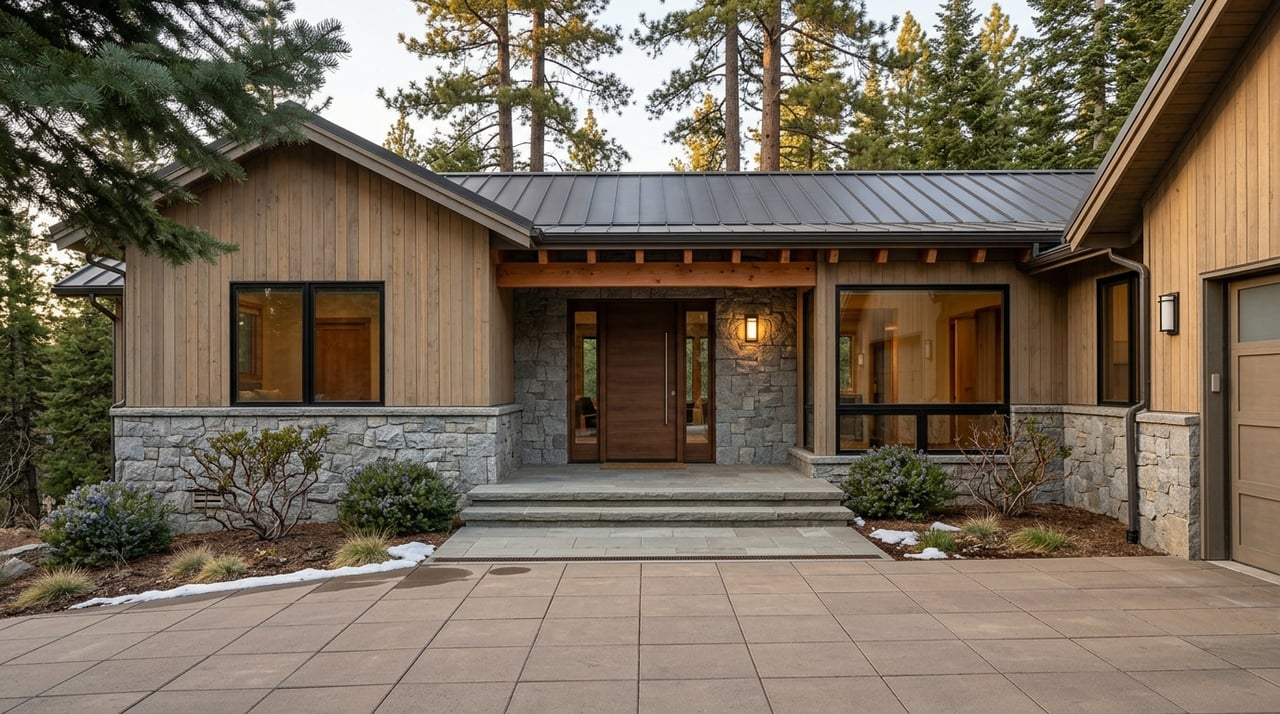
Buying A Second Home At Lake Tahoe: What To Consider
May 7, 2026
May 7, 2026
A Lake Tahoe second home can be an incredible lifestyle move, but it also comes with more moving parts than many buyers expect. If you are picturing weekends at the lake, holiday gatherings, and a long-term asset for your future, you also need to think through snow, fire readiness, financing rules, rental limits, and county-specific regulations. The good news is that with the right plan, you can buy more confidently and avoid expensive surprises later. Let’s dive in.
Before you focus on the view, the floor plan, or the neighborhood, get clear on how you want the property to function. In Tahoe, that decision shapes almost everything that comes next, from financing and insurance to taxes, rental options, and maintenance.
The biggest question is simple: do you want a true second home for personal use, or do you want a property that works more like an income asset? That distinction matters because second-home financing has different rules, and short-term rental rules vary depending on where the home is located.
If your main goal is personal enjoyment, your search can stay focused on comfort, access, and ease of ownership. If you hope to offset costs with rentals, you will need to verify local permit rules, tax obligations, and whether the property can still be treated as a second home by your lender.
Not all Lake Tahoe properties follow the same local rules. On the Nevada side, different counties use different systems for short-term rentals, permitting, and related taxes.
That means you should never assume a home can be rented just because another home nearby is used that way. The exact parcel location matters, and so does the county or township that governs it.
In unincorporated Washoe County, a short-term rental permit is required before you advertise or rent a private residence for fewer than 28 days. Permits are valid for 12 months and must be renewed annually.
Washoe County also notes that fire inspections may be required for defensible space or fire systems. Even if the county allows short-term rentals, private HOA rules or CC&Rs may still prohibit them.
Washoe County also treats some partial-home rentals differently for lodging-tax registration. If you are renting rooms or other partial-home space rather than the entire home, that use is exempt from the transient lodging tax number requirement.
In Douglas County’s Tahoe Township, vacation home rentals are allowed by ordinance and are defined as stays of 28 days or less. However, there is a cap of 600 permits, and additional neighborhood density limits apply.
Douglas County also publishes room-tax rates that can materially affect your numbers. In Lake Tahoe Township, the rate is 14% plus $5 per room per night, while the rate is 13% elsewhere in Douglas County.
Many buyers assume a second home is financed just like a primary residence. In reality, lenders usually apply stricter standards, and the way you plan to use the property matters.
Fannie Mae states that a second home must be a one-unit dwelling that is suitable for year-round occupancy, under your exclusive control, and occupied by you for some portion of the year. It cannot be a rental property or timeshare.
There is an important nuance here. If rental income exists, the loan may still be treated as a second home, but that income cannot be used to qualify you, and the property still has to meet the other second-home requirements.
If you want rental flexibility, read the fine print before you sign anything. Fannie Mae says a second home cannot be subject to an agreement that gives a management firm control over occupancy.
That is one reason it is so important to decide early whether you are buying for personal use, mixed use, or investment use. The answer can affect your financing path from day one.
Conventional financing for second homes is often more conservative than financing for a primary residence. Freddie Mac’s standard conforming matrix shows a 75% maximum loan-to-value ratio for second homes.
In practical terms, that often means a larger down payment and tighter underwriting. If you are planning your budget, it is wise to account for more cash due upfront than you might expect for a primary home purchase.
A Tahoe second home is not just about the monthly payment. Insurance costs, wildfire exposure, and tax treatment can all shape your long-term holding costs.
Nevada does not require homeowners insurance by state law, but your lender can require it. The Nevada Division of Insurance also notes that wildfire risk can affect the availability and affordability of coverage.
Standard homeowners insurance also does not cover every risk. Flood and earthquake coverage generally require separate policies or endorsements, so this is an area where it pays to ask detailed questions early.
If you are buying on the Washoe County side, occupancy status may affect your property-tax cap. Washoe County states that owner-occupied primary residences may qualify for the 3% cap, while other properties are generally limited to an 8% cap.
For second-home buyers, that difference can matter over time. It is one more reason to evaluate the full cost of ownership, not just the purchase price.
Lake Tahoe is a mountain market with real seasonal swings. NASA/JPL lists average annual snowfall at 216 inches, with average January temperatures around 36°F for highs and 16°F for lows.
That kind of climate affects daily life and property care. Winter access, driveway clearing, heating systems, and vacancy planning all deserve attention before you buy.
If the home may sit empty during cold periods, winterization should be part of your ownership plan. The U.S. Department of Energy warns that frozen pipes can burst and recommends pipe insulation and other cold-weather precautions where temperatures drop below freezing.
For you, that may mean keeping a baseline heat setting, protecting exposed plumbing, and having a plan for property checks during storms or extended absences. A beautiful mountain home is much easier to enjoy when the basics are protected.
Fire mitigation is not optional background work in Tahoe. It is a practical part of owning property in the basin and nearby mountain communities.
The U.S. Forest Service explains that Red Flag Warnings signal conditions such as warm temperatures, very low humidity, and strong winds that increase fire danger. TRPA says every Tahoe Basin property owner can and should complete defensible-space prescriptions.
TRPA also encourages property owners to ask local fire districts about rebate programs, curbside chipping, and free defensible-space inspections. If you are evaluating a home, it is smart to look at not just the structure itself, but also the surrounding vegetation, access, and what mitigation work may be needed.
Many buyers assume they can purchase a Tahoe home and make updates later without much trouble. In some cases, the permitting path is more layered than expected.
TRPA states that many activities require both TRPA environmental review and a separate county or city building permit. Some residential parcels also need a Site Assessment Application before TRPA can issue a permit.
Land coverage rules can affect projects such as:
If you are buying a property with plans to expand, remodel, or rework outdoor areas, review the approval process before you close. That step can help you avoid buying a home that does not fit your long-term goals.
A second home budget should go beyond mortgage, taxes, and insurance. In Tahoe, it is wise to plan for seasonal and preventive costs that may not be as significant in other markets.
Your budget may need to include:
When you run the numbers honestly, you can decide whether the property supports your lifestyle and financial goals. That kind of clarity tends to lead to better buying decisions.
Buying a second home at Lake Tahoe is not just a lifestyle purchase. It is also a decision that touches financing, operations, insurance, maintenance, and local regulation.
If you approach the process strategically, you can narrow your options faster and buy with a clearer understanding of how the property will actually function for you. That is especially important in a market where county rules, seasonal conditions, and ownership costs can vary meaningfully from one area to another.
If you are considering a Lake Tahoe second home and want a more tailored, financially informed approach, Samira Khaled can help you think through the details, evaluate your options, and move forward with confidence.
Stay up to date on the latest real estate trends.


Your goals deserve focused attention and thoughtful execution. With a boutique-level standard of service, every decision is guided by preparation, market insight, and a commitment to excellence—ensuring a seamless experience from strategy to closing.

15425 Wedge Pkwy Suite 105, Reno, NV 89451